How to Overcome Addiction to Substances or Behaviors | Dr. Keith Humphreys
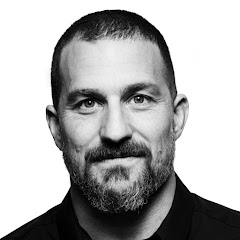
Huberman and Dr. Keith Humphreys explore the neurobiology and treatment of addiction across substances and behaviors—from alcohol and cannabis to gambling and opioids. The discussion emphasizes how addiction is defined by the persistence of harmful behavior despite negative consequences, not mere frequency of use, and examines how profit-driven industries deliberately engineer addiction through marketing, product design, and lobbying to maximize consumption and dependence.
Key takeaways
- • Addiction is characterized by continued harmful behavior despite awareness of damage, such as sacrificing relationships, employment, and housing for a substance—not simply doing something frequently.
- • Genetic predisposition plays a significant role in addiction vulnerability; individuals with a family history of alcoholism show 3-4.5 times higher risk, and some people experience drugs as dramatically more rewarding due to genetic differences in metabolism and receptor sensitivity.
- • Zero alcohol consumption is safer than any amount because cancer risks outweigh potential cardiac benefits, and women face particular vulnerability to alcohol-related cancers like breast and ovarian cancer.
- • Modern cannabis is dramatically more potent (averaging 20% THC vs. 3-5% historically) and used more frequently (42% of users consume daily), resulting in 65 times higher brain exposure than previous generations and increased risk of psychosis in young users with family psychiatric history.
- • Addiction-for-profit industries deliberately engineer products to be more addictive—through advertising, potency increases, and pricing strategies—because addicted customers generate far more revenue than casual users.
- • Effective addiction treatment requires community support and accountability (like AA or jogging groups), helping individuals identify personal motivation for change, and understanding why they want to quit rather than imposing external pressure.
- • Psychedelic-assisted therapy (psilocybin and MDMA in controlled clinical settings with trained facilitators) shows promise for depression and addiction treatment, with 60-70% remission rates, but requires rigorous research and proper dosing protocols rather than microdosing or unsupervised use.
- • Gambling machines are engineered using "losses disguised as wins" and novelty-driven reinforcement schedules that keep players engaged even while losing money, making casinos one of the densest concentrations of intentionally addictive products.
Recommendations (8)
"People would come in five days in a row and have 10 minutes on, 50 minutes off all day long, 5 days, at a theta burst setting for the RTMS. I've seen some people's lives just absolutely changed by ..."
Dr. Keith Humphreys · ▶ 1:26:35
"you want to stop drinking, I would, you know, suggest go check into an AA meeting or one of the other fellowships we have. Having other people on the same journey is good for us."
Dr. Keith Humphreys · ▶ 0:31
"There's a tremendous book Addiction by Design and I'm afraid I'm going to mispronounce the name of the person who wrote I think it's Schull but I'm not sure but I know the title Addiction by Design..."
Dr. Keith Humphreys · ▶ 59:46
"That is the only thing that really looks good for stimulant use disorder. You can do it under insurance coverage now in most places."
Dr. Keith Humphreys · ▶ 1:39:14
"There's a model called Oxford House which is run by the people who live there and they all contribute a bit to the rent and have a recovery culture. Those kind of things have really good evidence o..."
Dr. Keith Humphreys · ▶ 2:23:03
"I'm extremely interested in them. their effects on substance use. My patients desire is they want not to want. So, which is different than like I want to conquer my desire. Like, I just wish I didn..."
Dr. Keith Humphreys · ▶ 2:20:35
"with some explanation of reward circuitry and Anna's book, giving them Anna's book, Dopamine Nation"
Andrew Huberman · ▶ 2:59:23
Mentioned (7)
More from these creators
Essentials: How to Build Strength, Muscle Size & Endurance | Dr. Andy Galpin
How Hormones Shape Sexual Orientation & Behavior | Dr. Marc Breedlove
Using Salt to Optimize Mental & Physical Performance | Huberman Lab Essentials
The Best Vitality & Health Protocols | Dr. Rhonda Patrick
Essentials: Tools for Setting & Achieving Goals | Dr. Emily Balcetis
Science-Based Meditation Tools to Improve Your Brain & Health | Dr. Richard Davidson