What Success Actually Looks Like When Nobody's Watching | Jason Ballard x Tony Robbins
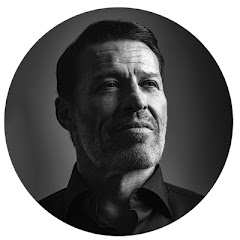
Tony Robbins interviews Icon CEO Jason Ballard about building a 3D-printed housing company, navigating personal loss, and staying driven without relying on outside circumstances.
The gist
-
Ballard says a default positive mindset means obstacles are required to make you unhappy, not wins to make you happy.
-
Icon's real edge is willingness to challenge 800-year-old industry norms like building codes and supply chains, especially when others retreat.
-
After personal tragedy, Ballard relied on three things: a spiritual foundation, close friendships, and an immediate return to meaningful work.
-
As a leader you can add fuel, meaning resources and opportunity, but you cannot create the inner fire in others.
Also mentioned
1:24
Icon
· "He's formed a company called Icon based in Austin, Texas. And it is the leader in global standards for 3D..."
7:38
House Zero
· "This home I'm sitting in right here is called House Zero. And it was the first house we ever designed..."
◎
Related episodes
Episodes covering similar topics
 More from Tony Robbins
How to Rewire the Beliefs Controlling Your Life
Oct 18, 2026