The Relationship Mistake That Wastes Years - Matthew Hussey (4K)

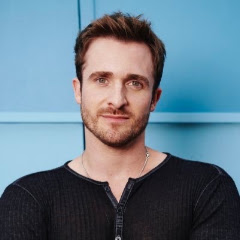
Matthew Hussey discusses the critical mistake people make in relationships by staying too long after knowing it's over, exploring the psychological barriers that prevent people from leaving even when they recognize incompatibility. He examines how trauma bonds, status quo bias, and ego-driven attachment keep people trapped in unhappy relationships, and provides frameworks for distinguishing between healthy love and the neurobiologically addictive cycle of anxious pursuit. The episode emphasizes vulnerability, self-compassion, and recognizing when relationships are draining rather than fulfilling.
Key takeaways
- • People often know a relationship is over months or years before leaving because the activation energy required to leave is high, while the activation energy to stay is low, creating a painful status quo bias.
- • Trauma bonds form through variable reward cycles where intermittent kindness after mistreatment keeps people psychologically trapped, similar to how slot machines work—you win just enough to keep trying.
- • The difference between anxious attachment (characterized by high cortisol, dopamine-driven highs and lows) and secure attachment (characterized by oxytocin and serotonin) is neurobiological; one produces a chaotic roller coaster while the other produces sustainable safety.
- • Confusing chaos for chemistry and intensity for intimacy is a neurobiological trick; some people are naturally "sparky" with everyone, and mistaking this for a special connection is a common trap.
- • The inner child work of identifying abandoned parts of yourself (the part that doesn't need to prove worth) is more important for growth than external resilience practices; these "bodyguards" were survival mechanisms that now limit you.
- • Men especially need to hear they are enough already without needing to achieve more, combined with genuine belief in their potential—praise personality traits and effort over outcomes to unlock deeper motivation and emotional safety.
- • The leading edge of growth for high-achieving, resilient people is often vulnerability and emotional openness, not more discipline; recognize if you've already maximized that skill and need to develop its opposite.
Recommendations (1)
"Mel Robbins also just phenomenal. You need to go and watch her."
Chris Williamson · ▶ 1:49:53
Mentioned (10)
More from these creators
Why Polymarket Feels Like a Truth Machine
"They’re Building an AI God They Can’t Control” - Tristan Harris
The Alibaba AI Incident Should Terrify Us - Tristan Harris
Man vs Australia (with Jimmy Carr)
How To Make Friends As An Adult
Why Some Goals Feel Effortless (and others hurt) - Chris Bailey