How to End the Addiction Cycle & Transform Your Life
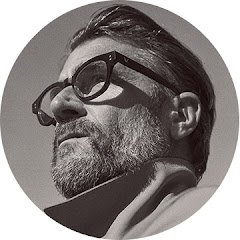
Max Jolliffe, a 12-year sober ultrarunner, shares his unlikely arc from heroin addiction and homelessness to winning the Moab 240-mile race—demonstrating how the tools of recovery, particularly surrender and willingness, transfer directly to endurance performance. His story illustrates how undiagnosed potential, combined with obsessive discipline, can redirect an addictive personality toward extreme achievement rather than self-destruction.
Key takeaways
- • Willingness is not a decision but a state that descends when pain becomes unbearable; Jolliffe couldn't get sober until jail removed him from his using environment and forced three months of physical detox, at which point he could finally act on knowledge he'd already possessed.
- • Self-esteem builds on esteemable acts, not talent; running produced immediate, tangible progress (completing a 5-mile run, hitting an 8-minute mile pace) which created a feedback loop of motivation that drugs and alcohol had previously provided, but in a life-expanding rather than life-narrowing direction.
- • The tools of recovery—surrender, inventory, sponsorship, service to others—apply directly to ultraendurance racing, where you cannot control weather, terrain, competitors, or your own body's unpredictable breakdowns over 240+ miles; accepting what you cannot control is prerequisite to finishing.
- • Addicts are seekers, not fundamentally broken people; redirecting obsessive energy and the need for extreme experiences toward healthy outlets (running) rather than attempting to kill the drive itself has proven more sustainable than white-knuckling moderation.
- • The ultra running world is still in its infancy, with elite marathon runners and Olympic medalists only now beginning to cross over; the sport's explosive growth mirrors the opioid crisis pipeline of people in recovery seeking outlets for their intensity.
- • Beware of replacing one addiction with another higher power (racing, training, social media validation); Jolliffe maintains active recovery principles including sponsorship and service to avoid making racing his god, while acknowledging the constant danger of making racing his everything.
- • A "never quit" binary mindset works for early sobriety but must evolve; the same rule that kept him sober (absolute abstinence, no gray area) nearly killed him at Coadona 250 when he pushed through genuine medical crisis instead of dropping—learning when to quit is wisdom, not weakness.
Recommendations (5)
"I think the Barkley Marathons is the sickest race ever cuz none of the people are racing against each other. They're racing against the race. It's like no one wins. It's just finishers, you know? L..."
Max Jolliffe · ▶ 1:22:51
"So I I just bought like this Tyvek painters heat and cut the feet off of it. Um so I'll do the stair climber with the heat suit on in the summer."
Max Jolliffe · ▶ 1:28:45
"So, I have a I have like a a stair climber machine, a stepper stair climber machine in my garage"
Max Jolliffe · ▶ 1:28:31
"just last weekend going to Austin Marathon and running Austin Marathon was super fun"
Max Jolliffe · ▶ 1:31:34
Mentioned (1)
More from these creators
Recovering Alcoholic Breaks Down Tiger Wood's Behavior
Happiness Expert on How Lockdowns, Social Media & Division Broke Our Brains
Nutritionist Exposes the Flaws in the New Health Pyramid
Neuroscientist Warns: These Daily Habits Are Raising Your Dementia Risk
Stanford Happiness Researchers on Overcoming Fear & Designing Your Dream Life
Recovering Alcoholic Breaks Down Shia LaBeouf’s Recent Behavior