David Beckham & A Heart Transplant Survivor's Plan to Stay Strong at 80
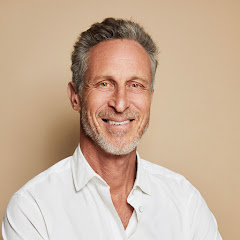
David Beckham and heart transplant survivor Dr. Don Musselum discuss how to maintain elite health and longevity at any age, drawing on Beckham's 22-year professional athletic career and Musselum's remarkable recovery from stage four cancer and advanced heart failure. The episode reveals that sustained health isn't about perfection or extreme measures, but rather consistent daily habits around nutrition, exercise, sleep, and meaningful connection, with emphasis on thinking long-term (how you'll feel at 80, not today). [ProLon]
Key takeaways
- • Exercise is non-negotiable for longevity and mental clarity—Beckham continued training during off-seasons and now maintains daily workouts; Musselum credits her ability to climb mountains with hemoglobin levels of 7 to prior cardiovascular fitness, and both emphasize that movement prevents physical and cognitive decline.
- • Consistency and routine matter more than intensity—Beckham treats his body like he's still playing professionally with the same sleep schedule, meal timing (lunch at 1:30 PM daily), and regimented structure he followed during his career, which extended his playing years beyond the average.
- • Sleep and hydration are increasingly non-negotiable with age—both speakers emphasize strict sleep consistency (7+ hours, bed by 10 PM, wake by 4-6 AM) and adequate water intake as critical recovery tools they weren't as strict about in youth but now prioritize in their 50s.
- • Whole foods and anti-inflammatory diets create measurable health improvements—Musselum describes a 70% reduction in all symptoms across diseases in just 10 days using an elimination diet approach; real food (not supplements alone) forms the foundation, as shown by both speakers' emphasis on home-cooked meals and garden-grown produce.
- • Recovery tools like ice baths, sauna, and fasting-mimicking diets accelerate adaptation—Beckham uses 2-degree ice baths for 10 minutes and credits ProLon fasting-mimicking protocols for rapid post-surgical recovery; Musselum uses ProLon every three months for cellular renewal and recommends it during chemotherapy.
- • Nature exposure and meaningful activities (family, gardening, purpose-driven work) are essential health components—Beckham's farm, beekeeping, and daily family routines contribute to his health definition; Musselum emphasizes that purpose-driven work and post-traumatic growth enable a "seamless, blissful" life despite major health adversity.
- • Nutritional gaps are widespread even in health-conscious populations—Mark Hyman notes that 70% of people tracked show deficiencies in key nutrients like vitamin D, magnesium, omega-3s, and iron, which is why both speakers use targeted supplementation alongside whole foods.
Recommendations (1)
Mentioned (1)
More from these creators
Breast Implants Are Making Women Sick—Here's What's Happening
The Real Reason Endometriosis Keeps Coming Back | Dr. Mark Hyman & Dr. Elizabeth Boham
Your Baby's Metabolism is Being Decided Right Now | Jessie Inchauspé
Your Body Is Storing Toxins Right Now—Here's What Happens
The Skill No One Teaches Us About Love | Baya Voce & Dr. Mark Hyman
IVF Isn't Fixing Fertility – Here's What Actually Works