Using Light to Optimize Health | Huberman Lab Essentials
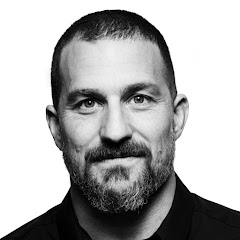
Huberman explores how different wavelengths of light trigger distinct biological pathways that optimize health across multiple systems. He explains the mechanisms by which UVB light exposure enhances hormone production, immune function, pain tolerance, and cellular renewal, while red light and near-infrared light can reverse age-related neuronal decline and improve skin quality. The episode provides science-backed protocols for strategically timing light exposure throughout the day and year to maximize physical and mental health outcomes.
Key takeaways
- • UVB light exposure to the skin and eyes increases testosterone and estrogen, enhances fertility markers, and improves mood; aim for 20-30 minutes of sunlight exposure 2-3 times per week across as much exposed skin as possible.
- • Melatonin acts as the body's internal calendar, communicating seasonal light changes to regulate bone health, reproductive development, and numerous other functions—avoid bright artificial lights at night to preserve natural melatonin production.
- • UVB light activates the sympathetic nervous system to enhance immune cell deployment, making winter sun exposure critical for fighting seasonal infections; it also accelerates wound healing, hair growth, and skin cell turnover.
- • Avoid artificial UVB light between 10 p.m. and 4 a.m., as exposure during these hours activates a pathway that suppresses dopamine and can worsen mood.
- • Red light (670 nanometers) and near-infrared light (790 nanometers) viewed for 2-3 minutes early in the day can reduce reactive oxygen species in retinal cells, reversing age-related vision decline by up to 22% in people over 40.
- • Red light at night, especially for shift workers, maintains alertness without suppressing melatonin or elevating nighttime cortisol, making it preferable to blue-enriched artificial lighting.
Recommendations (2)
"You might do well to simply get a LED lighting panel. Very inexpensive compared to the typical SAD lamp. I actually have one and I position on my desk all day long."
Andrew Huberman · ▶ 18:13
"And nowadays, there are a lot of sources of red light available just as red light bulbs. You don't need a panel."
Andrew Huberman · ▶ 36:42
Mentioned (2)
More from these creators
Essentials: How to Build Strength, Muscle Size & Endurance | Dr. Andy Galpin
How Hormones Shape Sexual Orientation & Behavior | Dr. Marc Breedlove
Using Salt to Optimize Mental & Physical Performance | Huberman Lab Essentials
The Best Vitality & Health Protocols | Dr. Rhonda Patrick
Essentials: Tools for Setting & Achieving Goals | Dr. Emily Balcetis
Science-Based Meditation Tools to Improve Your Brain & Health | Dr. Richard Davidson